
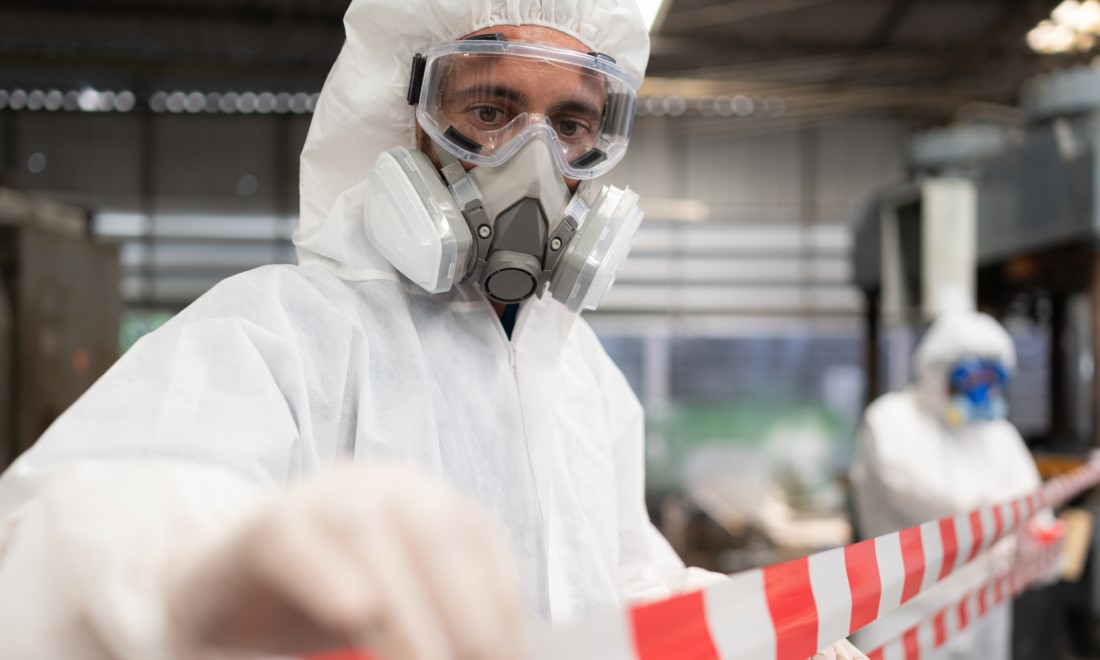
Being able to maintain a clean working environment goes beyond the simple and routine cleaning and monitoring of work environment safety. Hidden threats such as asbestos and mold can be a danger to the integrity of your work environment and your health. The Asbestos & Mould Abatement Service removes the guess work by offering a professional and regulated service to identify, manage, and remove, exposing, and removing the contaminants safely, so your work environment remains safe.
This article will look at what an asbestos and mould abatement services entail and examine the reason why it is important to have the work done by a professional, the health risks involved, and how the trained, qualified, and experienced abatement specialist protect your home and business. If you are a business owner, a property manager, or a home owner, it is important to understand the risks, and why it is important to protect the people and the property.
What is Asbestos & Mould Abatement Service?
An Asbestos & Mould Abatement Service is a process that inspects, identifies, contains, removes, and prevents the asbestos and mould contamination from further contamination. The services also remove the contaminants to ensure that there are no safety issues introduced. The removal and containment of the contaminants is done while adhering to the strictest of safety and compliance to all applicable regulations and standards.
Although asbestos and mould are two different contaminants, removal of both requires a lot of caution and compliance.
Asbestos removal is done through the containment and removal of asbestos containing materials (ACMs) that could be part of the older building materials.
Mould abatement deals with fungal contamination in buildings, both active and hidden, that is caused by moisture.
Although all these hazards are different, it is reasonable to integrate abatement services when dealing with properties that have both issues, such as older houses that have water damage and older insulation or building materials.
Why Asbestos & Mould Abatement is Important
Health and Safety Issues
Both asbestos and mould can cause serious risks to health when not managed properly or are disturbed, and these are:
Asbestos Exposure
Asbestos consist of very fine and light materials that can easily be inhaled. Once in the air, the fibres can cause long-term health problems that include:
These illnesses take years to develop and most are lethal. Since asbestos is only an issue when the fibres are airborne (during construction, demolition or when the asbestos is degraded), it is critical to have an abatement work done.
Mould Exposure
Mould has the ability to release spores and microbial volatile organic compounds (MVOCs) into the atmosphere. The inhalation of these particles can result to:
Exposure to some types of mould can lead to the release of mycotoxins, which can worsen the exposure health impacts.An Asbestos & Mould Abatement Service guarantees that these dangers are eliminated in a controlled and regulated manner so that no dangerous particles are randomly released into your indoor environment.
The Abatement Process: Stages
Professional abatement services deal with the mould and asbestos removal process in a systematic and controlled way ensuring that the removal process is done safely and in an effective way.
1. First Assessment and Inspection
As professionals in the field, removal processes begin by obtaining a thorough assessment:
The scope of work, the safety measures to employ, and the need to develop a strategy for containing the contamination is determined by the assessment done.
2. Evaluation of Risks and Developing a plan
Once the threats are confirmed and analysed, the removal team of professionals devises a plan. This plan comprises:
Abatement plans have no site to site changes. As a result, each site has professionals that come to deal with the matters in your site with consideration to the unique conditions and characteristics.
3. Dialing Factors and Isolation
One of the core parts of the abatement process is the control of the spread of contaminants:
Safe containment safeguards the building occupants and workers at all times.
4. Removal and Cleanup
Once containment of the work area has been established, trained technicians will begin the removal of the asbestos materials, or the surfaces that are infested with mould. Work may include:
All of the materials that are removed are placed in bags that are sealed, double-bagged, and removed in compliance with the regulations regarding the protection of the environment.
5. Air Filtration and Final Testing
Post-removal, advanced air filtration units with HEPA filters are used to capture residual particles. Final testing of the area will:
Only after all final testing is complete will the area be acceptable to be used again.
Why Professional Abatement Is Essential
The removal of asbestos or mould is not something that an untrained individual or group should attempt. Such actions can be hazardous as well as counter productive.
Here’s why professional abatement matters:
Safety Compliance
Abatement is done in a way that safeguards everyone’s interests and complies with any potential concerns in terms of legal liability and health risks, thanks to the safety regulations established by the professional abatement workers who are certified by WorkSafeBC, Health Canada, and other agencies.
Proper Equipment and Technique
There are certain specialized tools, certified protective gear, and industry-approved methods that are used in abatement that are not available to anyone who has not been properly trained.
Accurate Testing and Verification
Professionals test the property to verify that it has been abated and is in fact safe and not contaminated, with the use of laboratory tests.
Correct Waste Handling
Hazardous waste, including asbestos, is the only waste that can be thrown away in any waste facility. To be thrown away in a waste facility, the waste must be correctly disposed of, or else it will be considered waste.
Common Places Where Hazards Are Found
Here are common areas property owners should inspect regarding asbestos and mould:
Typical Asbestos Locations
Asbestos is especially common in buildings that were constructed before the 1980s.
Commonally Where Mould is Found
Recommended Actions
Once you have completed an Asbestos & Mould Abatement Service, you must implement these actions:
Keep it Dry
Repair any leaks, improve drainage systems, and use dehumidifiers in areas where moisture is frequent.
Improvement of Air circulation
Good circulation can significantly improve and maintain lower humidity in a designated area.
Revamp with Caution
Older buildings might contain old water-damaged areas that can contain hidden dangers. Before any demolition, be sure to consult an expert.
Keep a Check List
Regular checks can prevent future issues and costs.
An Asbestos & Mould Abatement Service is an investment in safety, and health. This service also protects future occupants, preserves the value of your property, and protects you from the environmental and safety regulations.
If you suspect asbestos in your building's structure during the renovation, or you have mould in your basement, the only appropriate solution is professional abatement.
For guaranteed and professional abatement, you can visit the services of Capilano Earthworks.
With teams of experts and established processes, they assist in the reclamation of your space — safe, clean, and free of hazards — with no compromises.
Copyright 2025. Capilano – A Website By StratWit Solutions Ltd.